Real Gameplay Crypto Games Worth Trying Today
Most crypto games promise earnings but deliver shallow, repetitive mechanics. If you’ve ever tried one and felt like you were just clicking buttons instead of actually playing, you’re not alone.
Many players spend time on so-called play-to-earn games or NFT games that offer rewards but lack real gameplay, story, or skill-based progression. This is a common issue across the blockchain gaming space today.
Here, you’ll find only the best crypto games with real gameplay games that are genuinely fun to play, with real mechanics, progression systems, and meaningful player interaction, not just designed around earning tokens.
You’ll find titles across popular genres like MMORPG crypto games, PvP battle games, strategy games, and mobile crypto games, giving you a clearer picture of what is actually worth your time.
The goal is simple: help you choose a crypto game that is worth your time, not just your wallet.
Key Takeaway Before You Start
- Crypto games are still evolving, and most are not guaranteed ways to earn money
- Focus on gameplay first, not token rewards or profit potential
- NFTs and tokens should be treated as optional extras, not requirements
- The best crypto games are the ones that are fun even without spending money
- Always test a game before investing in any in-game assets
- Treat crypto gaming as entertainment, not a source of income
- Crypto games are still evolving, and most are not guaranteed ways to earn money
- Focus on gameplay first, not token rewards or profit potential
- NFTs and tokens should be treated as optional extras, not requirements
- The best crypto games are the ones that are fun even without spending money
- Always test a game before investing in any in-game assets
- Treat crypto gamingas entertainment, not a source of income
Best Crypto Games By Category (Quick Summary)
Where To Add It: After “What Are Crypto Games?” And Before “How Do Crypto Games Work?”
- Best Crypto Card Game: Gods Unchained
- Best Competitive Card Game: Skyweaver
- Best RPG Crypto Game: Big Time
- Best AAA Blockchain Game: Illuvium
- Best Mobile Crypto Game: Guild of Guardians
- Best Metaverse Game: The Sandbox
- Best Fantasy Sports Game: Sorare
- Best Free Entry Game: Alien Worlds
- Best Social Farming Game: Pixels
- Best Strategy MMO (Upcoming): Star Atlas
What Are Crypto Games?
Crypto games are video games built using blockchain technologyto create a more interactive and rewarding experience for players. They often use tools like smart contracts, NFTs, governance tokens, and play-to-earn systems, allowing users to earn cryptocurrencies and digital assets while playing.
Unlike traditional games, blockchain-based games offer stronger transparency and security. Because all data is recorded on a decentralized ledger, in-game items are harder to duplicate, alter, or steal, giving players true ownership of their assets.
These assets can also hold real value, meaning players can trade or sell them on crypto marketplaces. This turns in-game rewards into transferable digital property rather than items locked inside a single game.
How Do Crypto Games Work?
Crypto games work by using blockchain technology to create a secure and transparent gaming system without relying on middlemen like banks or payment platforms. The blockchain acts as a decentralized database that records all in-game transactions and ownership details.
In these games, items such as currencies, characters, and equipment are often turned into NFTs (non-fungible tokens). These NFTs represent unique digital assets that players can own, trade, or sell. Players typically use cryptocurrencies like Bitcoin or Ethereum to buy these assets, which are stored in their digital wallets and managed through the blockchain.
Smart contracts are used to automatically enforce game rules, handle trades, and manage rewards without human interference. Some games also include play-to-earn systems, where players can earn crypto or valuable items by completing tasks, winning battles, or contributing to the game ecosystem.
Types Of Blockchain Crypto Games
1. NFT Games
NFT games use blockchain technology to turn in-game items into unique digital assets called NFTs. These assets can represent characters, weapons, skins, or other items that players fully own and can trade or sell on marketplaces.
A key feature of NFT games is the play-to-earn system, where players can earn tokens or rewards by completing missions, winning battles, or simply progressing in the game. This makes gameplay more rewarding because time and effort can translate into real digital value.
2. Play-to-Earn Games
Play-to-earn (P2E) games are designed so players can earn cryptocurrency while playing. Instead of just playing for entertainment, users are rewarded with tokens or NFTs that can be traded or sold.
These games use blockchain systems to create tradable in-game economies, where assets like tokens and NFTs have real market value. While they can be rewarding, they also require active participation and are often influenced by market conditions and game sustainability.
3. Metaverse Games
Metaverse crypto games are large virtual worlds where players can interact, explore, build, and socialize in real time. These games function like digital societies, often combining gaming, social interaction, and economic systems in one environment.
Examples include platforms where users can own virtual land, create experiences, or build entire worlds. These environments focus heavily on creativity, ownership, and social engagement, making them more than just traditional games.
4. Racing Games
Racing games simulate vehicle competition, allowing players to race against AI or other players in fast-paced environments. They come in different styles, including realistic simulators, arcade racers, and kart-style games.
Blockchain-based racing games add ownership and trading features to vehicles and upgrades, often using NFTs. Players can customize their cars, compete in races, and sometimes trade their vehicles as digital assets, combining traditional racing gameplay with crypto-based economies.
Here are the best crypto games with real gameplay across popular genres
Best Crypto Card & Strategy Games
1. Gods Unchained
- Genre: Trading Card Game (TCG)
- Chain: Immutable X (Ethereum Layer 2)
- F2P: Yes
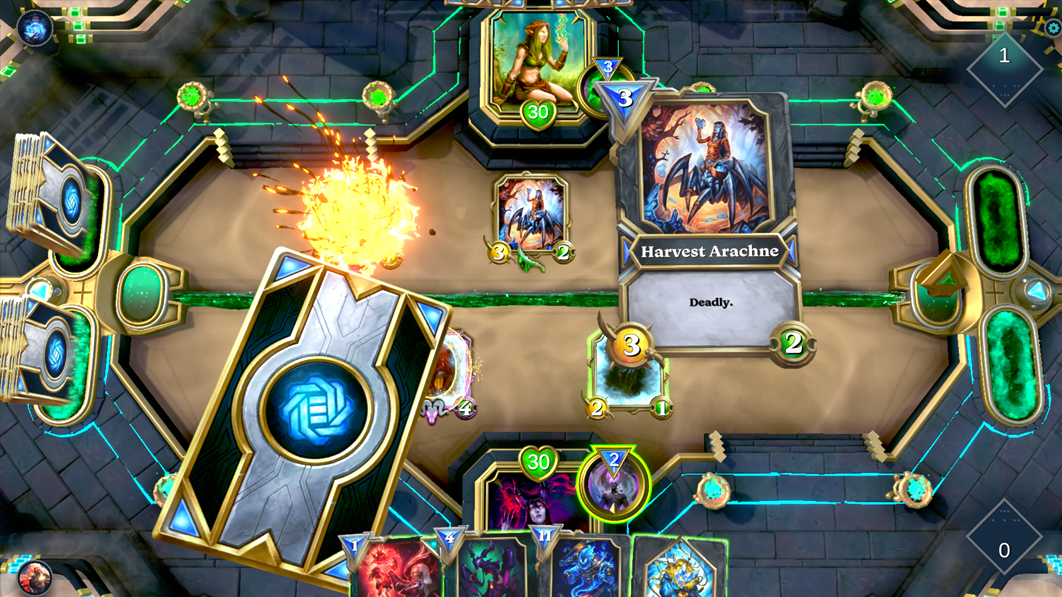
Gods Unchained is a leading free-to-play blockchain trading card game that feels like a traditional competitive TCG such as Hearthstone but with real digital ownership built in. Players build decks, climb ranked ladders, and earn cards that can become NFTs they truly own. These cards can be traded or sold, but the core gameplay remains fully accessible even without engaging in the NFT market, making it one of the most beginner-friendly crypto card games.
The game stands out because you can start playing without a wallet and still experience full strategic gameplay. As you progress, you gradually earn stronger cards, which adds a long-term reward system that blends skill-based progression with blockchain ownership. Built on Immutable X, it also benefits from gas-free trading, keeping transactions fast and affordable for NFT card trading.
2. Splinterlands
- Genre: Auto-Battle Card Game
- Chain: Hive (Polygon bridge supported)
- F2P: Partial
Splinterlands is one of the oldest and most established crypto card games, built around an auto-battle system where strategy happens before the fight through team selection and lineup planning. Each match uses different rulesets, which forces players to adapt and think carefully about card combinations rather than relying on manual gameplay.
It offers a partial free-to-play model, where players need a small one-time purchase (Spellbook) to earn rewards. This makes entry easy but not completely free. Despite changes in the crypto gaming market, Splinterlands remains active and widely played, especially among users who enjoy strategic automation-based card battles rather than real-time control.
3. Parallel
- Genre: Trading Card Game (Sci-Fi Strategy TCG)
- Chain: Base (Ethereum Layer 2)
- F2P: Limited
Parallel is a visually polished sci-fi trading card game that focuses on deep strategy, faction-based gameplay, and competitive deck building. It features multiple factions with unique mechanics, making each match feel different depending on your chosen strategy and card synergy. The gameplay is designed to appeal to serious TCG players rather than casual crypto gamers.
While you can try the game for free, building a strong competitive deck usually requires either time investment or purchasing NFT cards from the marketplace. The game uses blockchain primarily for ownership and trading rather than core gameplay mechanics, making it feel closer to a traditional high-quality card game with optional crypto integration.
Best Crypto RPGs And Open-World Games
4. Illuvium
- Genre: Open-World RPG / Auto-Battler
- Chain: Immutable X (Ethereum Layer 2)
- F2P: Limited trial
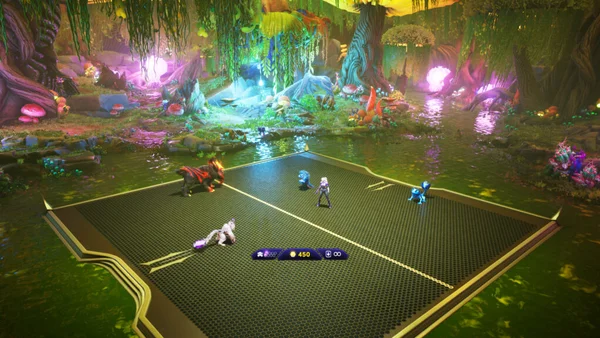
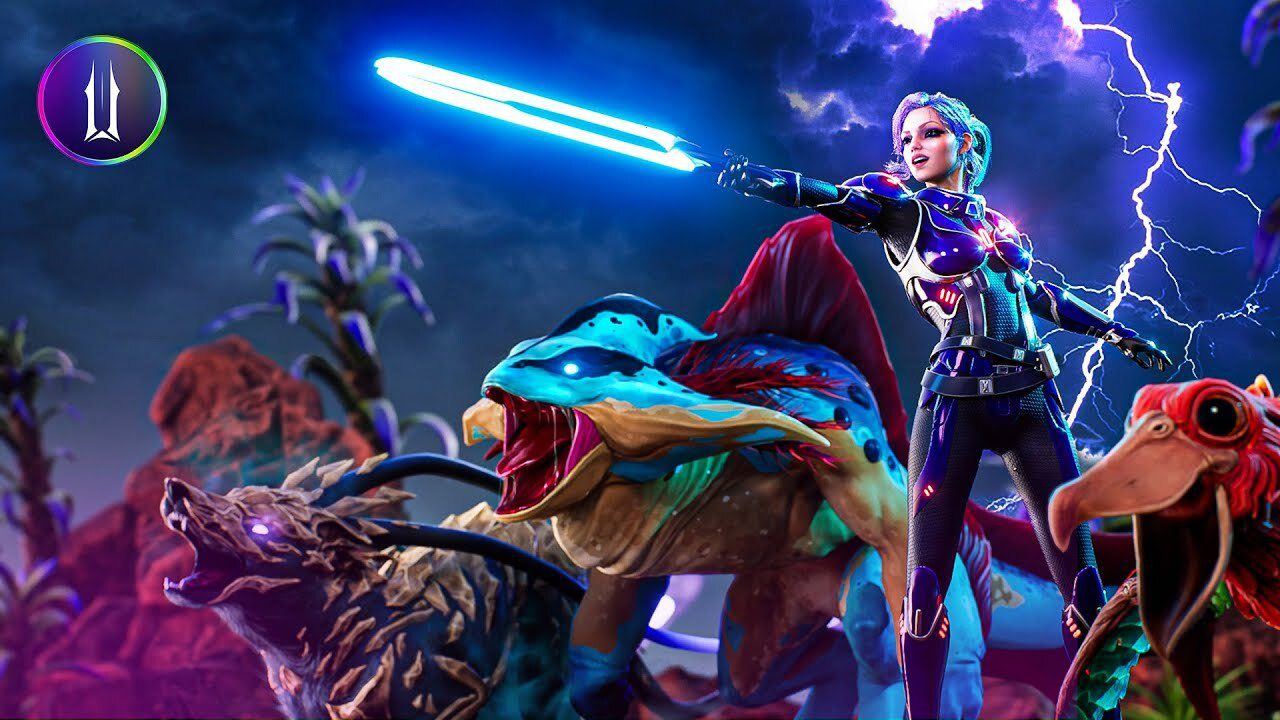
Illuvium is one of the most ambitious blockchain games ever built, designed to feel like a true AAA RPG rather than a typical crypto project. Players explore a vast alien world, capture creatures called Illuvials, and build teams for strategic auto-battle combat. The gameplay mixes open-world exploration with deep team-building mechanics, giving it more depth than most NFT-based games.
What makes Illuvium unique is its interconnected ecosystem across multiple games, including exploration, battle, and base-building, all linked through shared NFT assets. This means items and creatures can have value and utility across different game modes. While the production quality is extremely high, the in-game economy is still evolving as token systems and market behavior mature over time.
5. Big Time
- Genre: Action RPG
- Chain: Big Time (Proprietary)
- F2P: Yes
Big Time is a fast-paced co-op dungeon crawler where players team up to fight through procedurally generated levels filled with enemies, loot, and crafting materials. It combines smooth combat mechanics with a time-travel sci-fi theme, making it feel closer to mainstream ARPG titles like Diablo than typical blockchain games.
The game is fully free-to-play, and the NFT system is optional rather than required. Players can enjoy the full experience without interacting with crypto features, while rare items and cosmetics exist as tradable NFTs for those who want to engage with the economy. This makes Big Time one of the more accessible blockchain games for traditional gamers.
6. Pixels
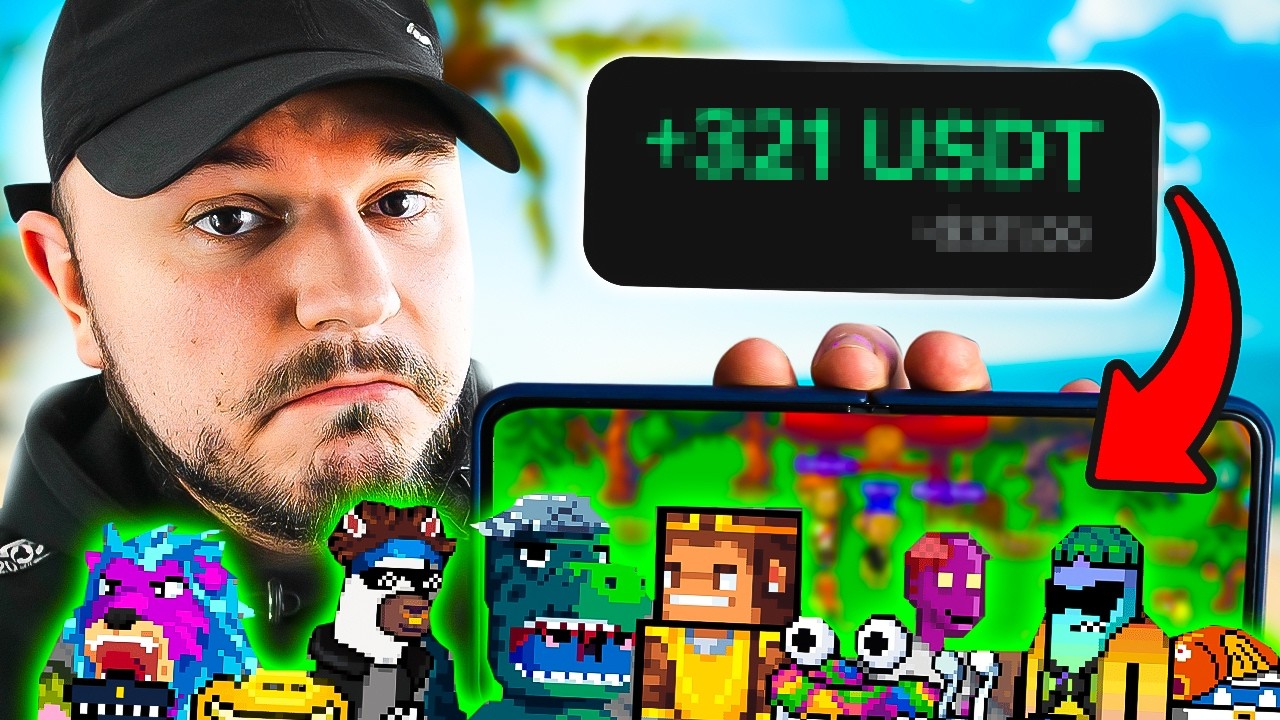
EARN in PIXELS - Free Play to Earn Crypto Game Android & iOS 2024
- Genre: Farming / Social RPG
- Chain: Ronin
- F2P: Yes
Pixels is a pixel-style farming and life simulation game inspired by cozy titles like Stardew Valley, but built around a blockchain-powered economy. Players can farm, craft, complete quests, and interact socially in a shared world where progression is fully playable without spending money or owning NFTs.
Its economy revolves around resource sinks and crafting systems that use in-game tokens, creating continuous demand within the ecosystem. Land ownership expands gameplay and earning potential, but it is not required to enjoy the core experience. Pixels stands out for its strong community activity and consistent player engagement compared to many other crypto games.
7. Treeverse
- Genre: 2D MMORPG
- Chain: Ethereum / Immutable X
- F2P: Partial
Treeverse is a top-down MMORPG built around exploration, combat, and character progression in a persistent fantasy world. The game focuses on long-term gameplay systems such as skill development, questing, and social interaction rather than short-term rewards or speculation.
Its NFT integration is mostly cosmetic and land-based, meaning core progression is not locked behind blockchain assets. This makes it more balanced than many play-to-earn games where progression depends heavily on spending. However, the game is still in active development, so features and systems continue to evolve.
8. Ember Sword
- Genre: Action MMORPG
- Chain: Immutable X
- F2P: Planned
Ember Sword is a large-scale fantasy MMORPG focused on classless combat, where your abilities depend entirely on your equipped gear rather than fixed character classes. The game takes place in a large open world divided into regions, with player-owned land designed to generate resources and economic activity.
The vision is to build a fully player-driven economy where land ownership, crafting, and trading shape the game world. However, development has been long and iterative, with ongoing updates and changes to scope. While progress is visible, it remains a work-in-progress title, and players should view it as a long-term project rather than a finished product.
Best Crypto Shooters And Action Games
9. Shrapnel
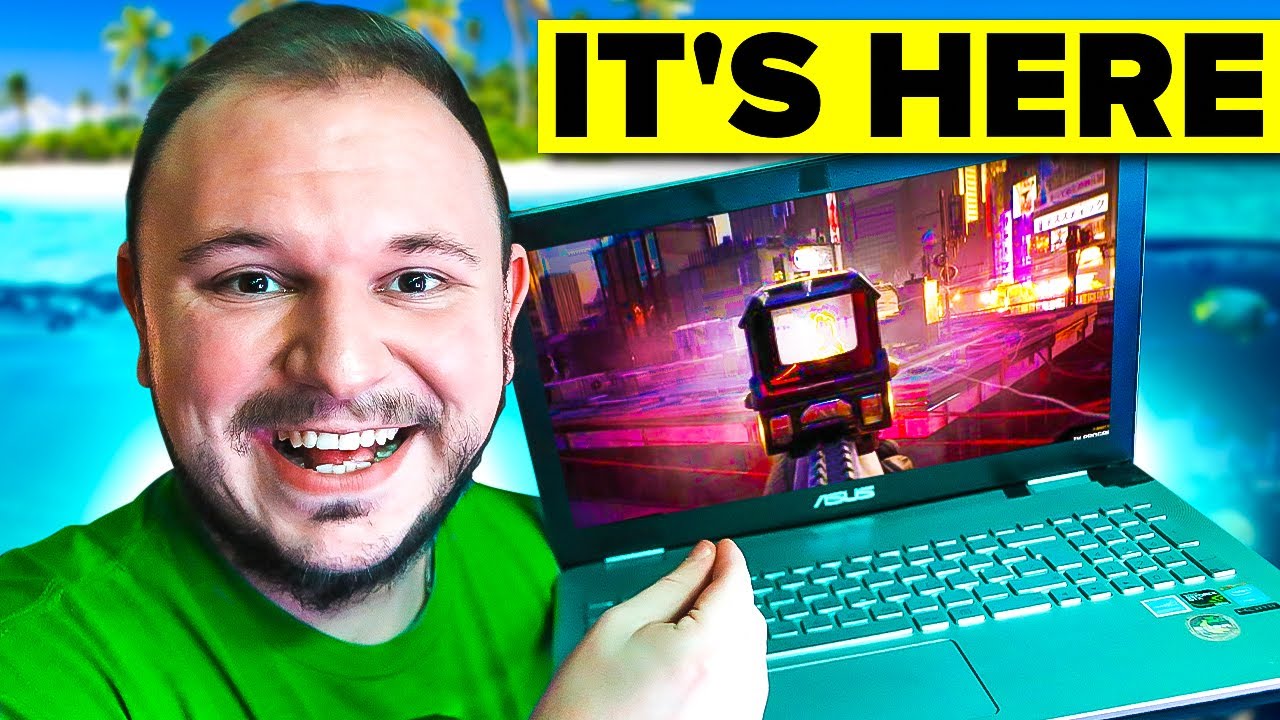
Play to Earn Crypto Game Shrapnel Overview
- Genre: Extraction Shooter
- Chain: Avalanche
- F2P: No
Shrapnel is one of the most ambitious blockchain FPS games, built in the style of extraction shooters like Escape from Tarkov. Players enter high-risk combat zones, collect valuable resources, fight other players, and try to extract alive. The gameplay is designed to feel intense, tactical, and skill-driven, with gun mechanics that aim to match top-tier non-crypto shooters.
The blockchain layer is mainly focused on cosmetic ownership and user-generated content. Players can design and monetize custom maps, creating a community-driven ecosystem where creators are rewarded. However, access is restricted through NFT-based passes, which makes it less accessible than free-to-play alternatives and more suited for serious FPS players who are already invested in the genre.
10. Decimated
- Genre: Open-World Survival Shooter
- Chain: Solana
- F2P: Limited
Decimated is a survival-focused shooter set in a dystopian open world filled with cyborg enemies, mutants, and hostile players. Players must scavenge for resources, craft equipment, and survive in a persistent environment where danger is constant. The game leans heavily into survival mechanics, making decision-making and resource management just as important as combat.
Its use of the Solana blockchain allows for fast and low-cost trading of in-game assets, which supports its survival economy system. However, the game is still in active development with limited access phases, meaning features and stability may change over time. It is best viewed as an evolving survival MMO rather than a finished release.
11. Metalcore
- Genre: Mech Combat Shooter
- Chain: Immutable X (Ethereum Layer 2)
- F2P: Yes
Metalcore is a futuristic mech combat game where players battle in large-scale warfare using customizable robotic suits. Each mech has different strengths, roles, and combat styles, creating a layered tactical experience where loadout choices directly affect performance on the battlefield.
The game includes NFT-based ownership for mechs, weapons, and land systems, but it remains free-to-play, allowing players to test core gameplay before investing. Built on Immutable X, it benefits from gas-free transactions, making trading and asset management more practical compared to older blockchain games. While the combat foundation is strong, the in-game economy is still early and continues to evolve alongside player growth.
Best Crypto Strategy And Auto-Battle Games
12. Axie Infinity (Origins)
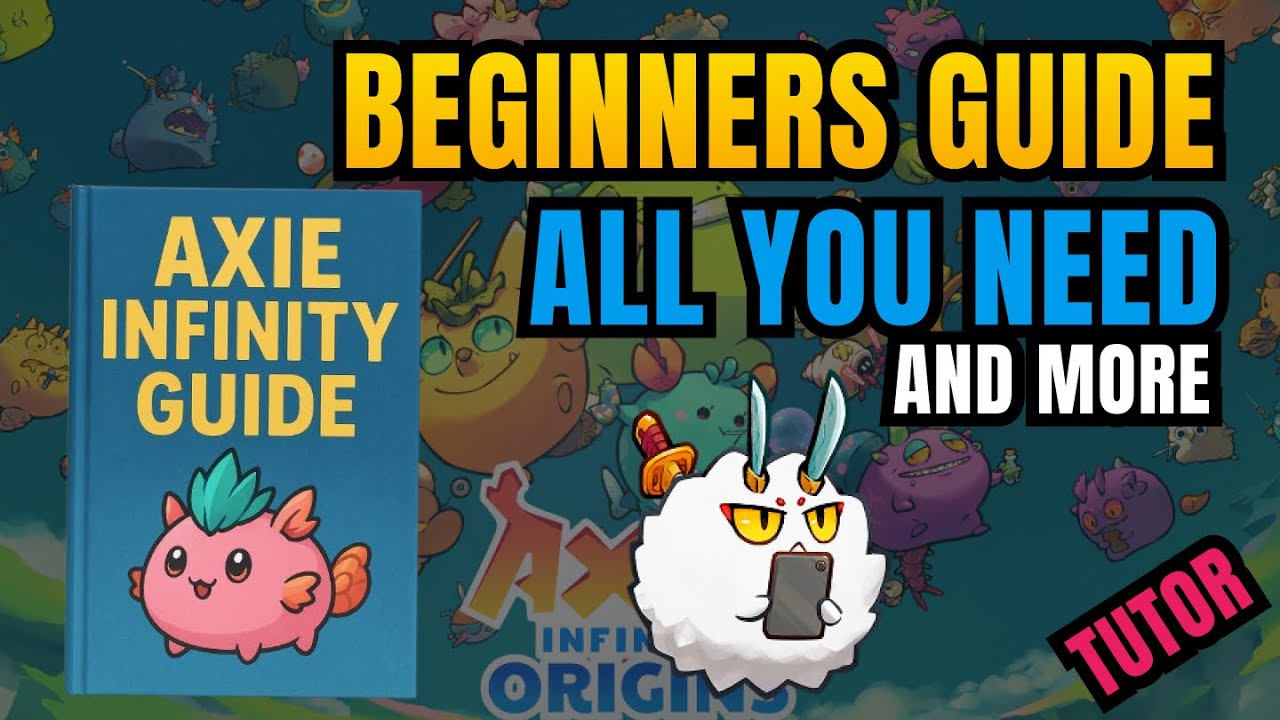
Absolute Beginner’s Guide to Axie Infinity Origin (Step-by-Step Tutorial 2025) 🎮🐾
- Genre: Turn-Based Card / Auto-Battle
- Chain: Ronin
- F2P: Yes (Origins mode)
Axie Infinity is one of the most important crypto games ever made, known for both its massive rise and its dramatic crash during the 2022 play-to-earn collapse. The original economy became unstable due to token inflation and the Ronin bridge hack, which reshaped how the entire blockchain gaming industry thinks about sustainability and security.
The newer version, Axie Infinity: Origins, is a rebuilt and much more stable free-to-play card battler. It focuses on tactical turn-based combat using Axies with updated mechanics and improved progression systems. While earning potential is no longer the main focus, the game now offers a more balanced and gameplay-first experience, showing how a failed economy can still evolve into a healthier long-term product.
13. Alien Worlds
- Genre: Mining / Governance Strategy
- Chain: WAX, Binance Smart Chain
- F2P: Yes
Alien Worlds is a simple but massively popular blockchain mining game where players earn tokens by performing basic mining actions and participating in planetary governance systems. The gameplay loop is extremely lightweight, focusing more on participation and token distribution than deep mechanics or combat.
Despite its simplicity, it consistently ranks among the most active blockchain games in terms of wallet activity. Its value lies in scale and accessibility rather than complexity, making it a common entry point for users learning how crypto games, wallets, and token economies work in practice.
14. Guild Of Guardians
- Genre: Mobile Action RPG
- Chain: Immutable X (Ethereum Layer 2)
- F2P: Yes
Guild of Guardians is a mobile-first action RPG designed around cooperative dungeon crawling and guild-based progression. Players build teams of heroes, complete dungeons, and earn rewards that can be traded as NFTs on the marketplace. The gameplay is optimized for mobile users, with short sessions and smooth combat design.
The guild system is one of its strongest features, encouraging players to progress together and share resources. While heroes can be NFTs, free players still receive enough characters to experience the full game loop without spending. The main focus is on accessibility and long-term engagement rather than high-risk speculation.
15. Crypto Unicorns
- Genre: Farming / Strategy
- Chain: Polygon
- F2P: No
Crypto Unicorns is a farming and strategy game built around full NFT ownership of in-game assets, including unicorns, land, and resources. Players grow farms, breed unicorns, and participate in mini-games such as jousting, all tied into a broader in-game economy.
The game uses a dual-token system designed to balance rewards and economic stability, and it has gone through multiple adjustments to improve long-term sustainability. However, entry requires purchasing NFT assets, which makes it less accessible than free-to-play alternatives and more suited for players already committed to blockchain gaming ecosystems.
Best Crypto Racing And Sports Games
16. Zed Run

Zed Run Guide and Review - How to play & earn in Zed Run
- Genre: Horse Racing / Strategy
- Chain: Polygon
- F2P: No
Zed Run is a blockchain horse racing game built around NFT ownership, where players buy, breed, and race digital horses. The racing itself is automated, but the real depth comes from strategy, especially in breeding. Players study bloodlines and genetic traits to create stronger offspring, which can improve future race performance and long-term value.
The game feels more like managing a racing stable than playing a traditional video game. Success depends on understanding breeding combinations, timing, and market demand for specific horse traits. However, horse NFTs can be expensive and highly variable in value, making the ecosystem more like a niche strategy market than a casual gaming experience.
17. F1 Delta Time (Legacy)
- Genre: Racing (Defunct)
- Chain: Ethereum
- F2p: N/A
F1 Delta Time was an officially licensed Formula 1 blockchain racing game that eventually shut down in 2022 after losing its FIA licensing rights. Players owned NFT cars and parts, but the game could no longer operate once the licensing agreement ended, leading to the shutdown of core gameplay systems.
Its closure became a major lesson in crypto gaming history, showing that even licensed and well-funded NFT games can disappear unexpectedly. Some assets were migrated into successor projects like REVV Racing, but the original game no longer exists. This case highlights the importance of developer transparency and long-term licensing stability when evaluating blockchain games.
18. Nitro League
- Genre: Racing
- Chain: Polygon
- F2P: Limited
Nitro League is an arcade-style racing game where players compete using NFT vehicles that can be upgraded, customized, and traded. The gameplay focuses on fast-paced racing with added strategy through vehicle tuning, which affects speed, handling, and overall performance on different tracks.
The game is still in development but already offers a functional racing experience with blockchain-based ownership. Built on Polygon, it benefits from low transaction costs, making NFT trading more practical. However, the player base is still growing, so match availability and competition levels can vary depending on active users at any given time.
Best Crypto Simulation And Metaverse Games
19. The Sandbox
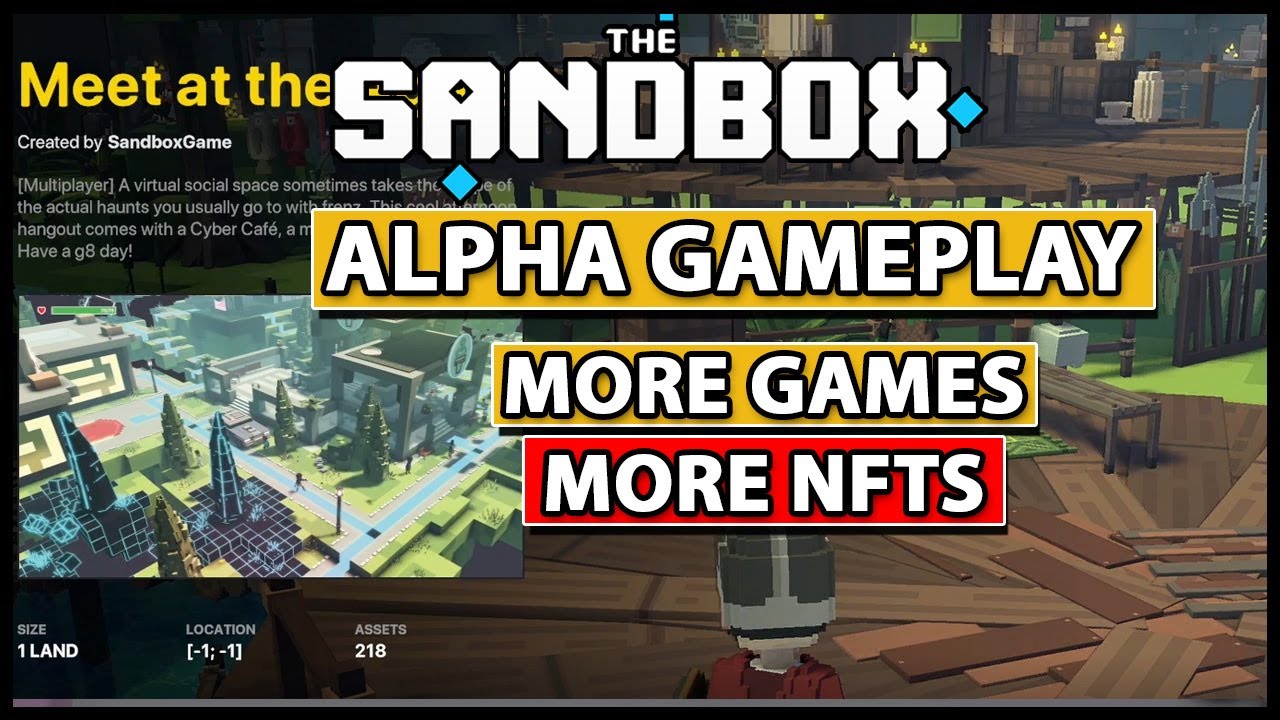
The Sandbox Alpha - More Games More Play to Earn | Blockchain Games
- Genre: Metaverse / Game Builder
- Chain: Ethereum (Polygon bridge)
- F2P: Partial
The Sandbox is a metaverse platform where players and creators build, publish, and monetize their own voxel-style games and experiences. Instead of being a single game, it works as a creation ecosystem powered by LAND NFTs and the SAND token, allowing users to design interactive worlds using tools like Game Maker and VoxEdit.
Its biggest strength is its creator economy and brand recognition, with partnerships involving major names like Snoop Dogg and Atari. However, the real value is concentrated in LAND ownership and content creation rather than playing user-made games, which vary widely in quality. While it remains one of the largest metaverse projects on Ethereum, LAND prices and speculation have cooled significantly since earlier market peaks.
20. Decentraland
- Genre: Virtual World / Metaverse
- Chain: Ethereum
- F2P: Yes
Decentraland is a fully browser-based virtual world that allows users to explore, attend events, and interact in a decentralized digital environment. It hosts concerts, exhibitions, and community events, making it one of the earliest crypto platforms to experiment with real-world social and cultural experiences in the metaverse.
The platform is governed by its community through MANA token voting, giving users a direct role in shaping policies and development decisions. However, the quality of experiences varies depending on location, with some districts highly active and others relatively empty. While it remains a major metaverse project, independent data suggests a smaller active user base than headline figures often imply.
21. Star Atlas
- Genre: Space Strategy / MMO
- Chain: Solana
- F2P: No
Star Atlas is one of the most ambitious blockchain gaming projects ever built, aiming to deliver a large-scale space MMO powered by Unreal Engine 5 visuals. Players will eventually explore galaxies, engage in faction warfare, trade resources, and own ships and assets as NFTs within a fully player-driven economy.
At the moment, only limited gameplay systems are available through a browser-based experience, while the full MMO is still in development. The economy is supported by ATLAS and POLIS tokens, with transparent documentation, but the long-term vision is still unfolding. High-value NFT ships are already on the market, but the project remains highly speculative until the full game launches.
Best Crypto Games For Casual And Mobile Players
22. Sorare

Sorare EASY Beginner Guide | How To Play Sorare Tutorial (2022)
- Genre: Fantasy Sports
- Chain: StarkWare (Ethereum Layer 2)
- F2P: Partial
Sorare is a fantasy football (soccer) NFT game built around real-world player performance. Each player card is an NFT tied to licensed athletes from hundreds of professional clubs. You build teams, choose formations, and compete in global tournaments where your score depends directly on how real players perform in actual matches.
The game is easy for sports fans to understand because it works like traditional fantasy football, but with digital ownership added through blockchain cards. The StarkWare Layer 2 keeps fees low, and official licensing gives cards stronger long-term value than typical in-game items. However, high-tier cards can be expensive, and competitive leagues are often dominated by users with premium squads.
23. Skyweaver
- Genre: Trading Card Game
- Chain: Sequence (Ethereum Layer 2)
- F2P: Yes
Skyweaver is a competitive trading card game designed to be fully free-to-play while still offering real NFT ownership. Players earn cards through ranked matches, and every rewarded card is a tradable NFT by default, making progression meaningful without requiring spending.
The game focuses on strategy, deck building, and ranked competition, with a clean visual style and well-balanced mechanics. Built by Horizon, the team behind the Sequence ecosystem, it is designed for long-term infrastructure stability. However, its player base is smaller than some leading competitors, which can sometimes affect matchmaking speed depending on time and rank.
24. Farmers World
- Genre: Farming Simulation
- Chain: WAX
- F2P: No
Farmers World is one of the simplest blockchain farming games, designed as an entry point into NFT-based game economies. Players use tool NFTs to farm, mine, and harvest resources, gradually building productivity over time in a lightweight simulation environment.
The game is popular among beginners because of its low technical barrier and easy onboarding through the WAX Cloud Wallet. However, the gameplay itself is very basic compared to modern farming or strategy games. Its main value lies in learning how NFT tools and token-based economies function in practice rather than deep gameplay systems.
25. Mines Of Dalarnia
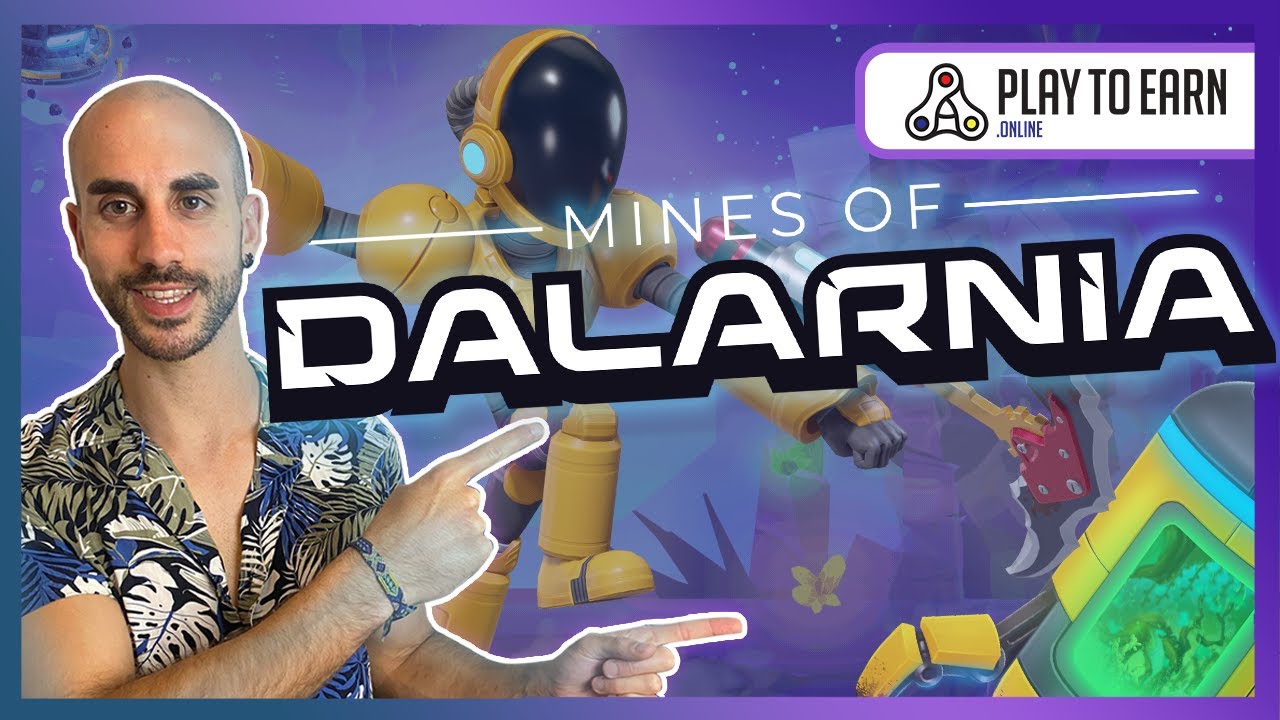
Mines of Dalarnia Gameplay Review | P2E & NFT Game Reviews
- Genre: Action Platformer
- Chain: BNB Chain
- F2P: Limited
Mines of Dalarnia is a side-scrolling mining and combat game where players explore underground levels, fight creatures, and extract resources. Each run follows a loop of exploration, survival, and extraction, making it more interactive than typical idle-style blockchain games. It can also appeal to players looking for a horror game alternativewithin the blockchain space, thanks to its dark, hostile underground environments and constant survival pressure.
Its economy is built around the DAR token and a land-rental system, in which landowners lease mining plots to players who share in resource earnings. This creates a simple but functional player-driven economy.
The Chains Behind The Games
Most beginners quit crypto games before they even play because of one simple issue: wrong wallet, wrong chain. You install a game, try to connect MetaMask, and discover your assets are on the wrong network. Understanding chains removes that friction completely.
Ethereum Layer 2s: Immutable X And Polygon (Main Hub For NFT Card Games And AAA Crypto Games)
Ethereum Layer 2 networks are the most common home for modern blockchain games because they reduce fees while keeping Ethereum-level security. Immutable X is built specifically for gaming and powers titles like Gods Unchained, Illuvium, and Guild of Guardians.
It removes gas fees for NFT trading, making it ideal for card games and high-volume item economies. You can connect using MetaMask or use Immutable Passport, which is designed for beginners who want a simpler login experience.
Polygon is a general-purpose Layer 2 that also dominates crypto gaming. It hosts games like The Sandbox, Zed Run, and Crypto Unicorns. It works directly with MetaMask once you add the Polygon network, making it one of the easiest ecosystems to start with if you already use Ethereum wallets.
Before choosing any setup, it’s worth understanding the top cryptocurrency walletsavailable today, since your wallet determines how securely you access different chains and games.
Ronin Network: Dedicated Blockchain Built For Gaming Economies
Ronin is a gaming-first blockchain created by Sky Mavis and originally built for Axie Infinity. It has since expanded to support games like Pixels. Unlike Ethereum networks, Ronin requires its own wallet, called the Ronin Wallet, which is installed as a browser extension or mobile app.
Setup is simple and takes only a few minutes, but it is separate from MetaMask, which often confuses new users. Its design focuses entirely on gaming performance and low-cost transactions, making it ideal for economies built around frequent in-game rewards and NFT interactions.
Solana: High-Speed Chain For Real-Time Blockchain Games
Solana is known for fast transactions and extremely low fees, making it suitable for large-scale or real-time games. Titles like Star Atlas and Decimated use Solana because they require high throughput for complex in-game actions and asset trading.
The main wallet for Solana gaming is Phantom Wallet, which is widely considered one of the easiest crypto wallets to use. It supports both browser and mobile, and its interface is beginner-friendly, making it a strong entry point for new blockchain gamers outside Ethereum.
WAX: The Simplest Blockchain For Beginners In Gaming
WAX is one of the earliest gaming-focused blockchains and remains the most beginner-friendly option in crypto gaming. Games like Farmers World and Alien Worlds run on this network, which is designed for extremely low-friction onboarding.
Its biggest advantage is the WAX Cloud Wallet, which allows users to create an account using just an email address, no seed phrases or complex setup required. This makes it the easiest way for absolute beginners to experience NFT games and blockchain economies without technical barriers.
How To Get Started In Crypto
Getting started is genuinely easier than it was three years ago. But the steps still matter, and skipping them is how people lose money on games they never even properly played.
Step 1: Choose Your Genre And Chain First
Don't start with "what crypto game should I play." Start with "what kind of game do I actually enjoy?" If you love card games, go to Gods Unchained or Splinterlands. If you want an action RPG, go to Big Time or Guild of Guardians. Matching genre preference first prevents you from forcing yourself through a game type you hate just because someone told you it pays well.
Once you've picked a genre, the chain and wallet choice follows automatically from the game.
Step 2: Set Up The Right Wallet
Follow the official wallet documentation not a YouTube tutorial from 2022 that may reference an outdated interface. Every wallet listed above has clear official documentation.
Take 20 minutes and do it properly. It also helps to understand basic security habits early so you can protect your gaming account from being hackedbefore you start connecting wallets, signing transactions, or interacting with NFT marketplaces.
Step 3: Start Free-to-Play Before Spending Anything
Every F2P-rated game on this list allows you to experience the core loop without spending. Do that first. Play for at least a week. Decide if you actually enjoy the game before your wallet gets involved.
Step 4: Join The Game's Official Community Before You Invest
Every major crypto game has a Discord server. Spend time there before spending money anywhere. Community health, how players talk about the game, the responsiveness of the development team, and the quality of moderation are some of the best leading indicators of a project's long-term viability.
Step 5: Set A Hard Budget And Treat It As Entertainment Spend
Decide on a maximum amount before you start, an amount you'd be comfortable spending on any other entertainment (a concert, a few months of a streaming service), and treat it as spent the moment it enters the game ecosystem. If you earn it back, great. If you don't, you already accounted for it.
How To Spot Unsafe Blockchain Gaming Projects Early
Crypto gaming has real innovation, but it also attracts low-quality projects built around hype instead of gameplay. Before investing time or money into any NFT game or play-to-earn ecosystem, these are the clearest warning signs that a project may be failing or misleading players.
1. Anonymous Or Unverifiable Development Team
Legitimate blockchain games usually have visible founders with verifiable backgrounds in gaming, software development, or blockchain infrastructure. If a project hides its team or provides no real professional history, it becomes difficult to trust long-term execution. Transparency is a key signal of seriousness in crypto game development.
2. Earnings-First Marketing Instead Of Gameplay Focus
If a game markets itself primarily around “daily income,” “ROI,” or guaranteed earnings before explaining gameplay, that is a strong warning sign. Healthy crypto games prioritize mechanics, fun, and progression first, with earning systems as secondary features. When income is the main hook, sustainability is usually weak.
3. No Playable Demo Or Early Access Gameplay
A serious crypto game should allow users to experience actual gameplay before requiring NFT purchases. If access is locked behind upfront spending with no demo, it means users are investing based on promises rather than tested systems. This increases the risk of unfinished or abandoned products.
4. No Token Sinks Or Economic Burn Mechanisms
A sustainable blockchain game economy must include ways to remove or “burn” tokens and assets from circulation. Without sinks such as crafting costs, upgrades, or in-game fees, token supply grows endlessly and reduces value over time. Strong tokenomics always include controlled inflation and documented economic balancing systems.
5. Constant Roadmap Changes Without Community Accountability
Delays are normal in game development, but repeated scope changes without transparency are a red flag. If a project continuously shifts goals, removes promised features, or reduces communication, it often signals deeper development issues. Reliable teams update roadmaps publicly and explain changes clearly to their community.
Future Of Crypto Gaming
Crypto gaming is gradually shifting away from pure speculation and toward real gameplay experiences. Future titles are focusing more on free-to-play access, smoother onboarding, and mobile-first design to attract mainstream users.
There is also a growing trend toward user-generated content, where players create maps, modes, or entire in-game economies. Combined with improving blockchain infrastructure, this suggests a future where crypto games feel more like traditional games with optional ownership layers rather than financial systems first.
People Also Ask
What Is The Safest Blockchain For Gaming?
There is no single “safest” chain, but Ethereum Layer 2 networks like Immutable X and Polygon are widely used because they combine strong security with low transaction fees. Other stable ecosystems include Solana, Ronin, and WAX, each optimized for different types of games.
Can You Really Earn Money From Crypto Games?
Yes, but earnings vary widely and are not guaranteed. Some players earn by selling NFTs, tokens, or in-game items, while others play purely for entertainment. Treat earnings as a bonus, not a primary income source, because most game economies fluctuate heavily.
What Is The Difference Between F2P And P2E Games?
F2P (free-to-play) games allow you to play without spending money upfront. P2E (play-to-earn) games focus on earning rewards through gameplay. Many modern blockchain games blend both models, but most are shifting toward F2P-first designs for sustainability.
Why Do Crypto Games Use NFTs?
NFTs allow players to truly own in-game items instead of just licensing them. This means items can be traded outside the game, sold on marketplaces, or transferred between players. It also creates a player-driven economy where assets have real-world value.
What Wallets Do I Need For Crypto Gaming?
It depends on the blockchain. MetaMask works for Ethereum and Polygon, Ronin Wallet is used for Axie Infinity and Pixels, Phantom is used for Solana games, and WAX Cloud Wallet is common for beginner-friendly games. Each game will usually specify the required wallet.
Final Thoughts
Crypto games are evolving from hype-driven projects into more structured, gameplay-focused experiences. The strongest titles today succeed because they combine solid mechanics, real player ownership, and sustainable in-game economies rather than relying on earning promises.
For players, the key takeaway is simple: focus on gameplay first, profit second. As the industry matures, expect more free-to-play access, better blockchain infrastructure, and fewer speculative-only projects.